My Name Is Hmoob: Call Me Freedom
2014
My name is not “Exotic . . .” My name is Freedom My people are worth more than eye candy and shallow praise, My people have no home, no country We are from stolen territory...

What Saint Paul Owes to Whiskey
2014
During an 1883 visit to Saint Paul, the great Mark Twain observed: “How solemn and beautiful is the thought, that the earliest pioneer of civilization, the van-leader of civilization, is never the steamboat, never the railroad, never the newspaper, never the Sabbath-school, never the missionary—but always whiskey! Such is the case.”

A Stranger’s Opinion of St. Paul
2014
Harriet E. Bishop is a name familiar to anyone interested in the history of Saint Paul. Born in Vermont, Bishop came to Minnesota in 1847 and here achieved many firsts—Saint Paul’s first teacher, founder of the first Sunday school in Minnesota, first leader of the women’s suffrage movement, and a driving force behind several social movements. She was well known in the city’s literary circles and wrote about Minnesota and Saint Paul, though her writings often include language that today would be considered racist, revealing attitudes toward Native Americans common to the era but whose effects are still felt to this day.

Slow Boats and Fast Water
2014
Early in the morning on June 21, 2007, my son Cullen encountered a rowing scull, crewed by five young women in the Saint Paul Harbor and pinned by a heavy current of the Mississippi River. This crew team had misjudged the current and was trapped against the Padelford wharf barge.

Wafers
2014
My father and I used to go door-to-door delivering wafers in a tiny gold case. I imagined my father gave me this job to make me feel special when all of the older kids went to school. When they disappeared behind the doors of St. Mark’s School with their starched uniforms and shiny pencil cases, I felt left out. As a remedy, my father quickly got me started in the business of delivering communion to neighborhood elders...
Booker Taliaferro Washington and Me
2014
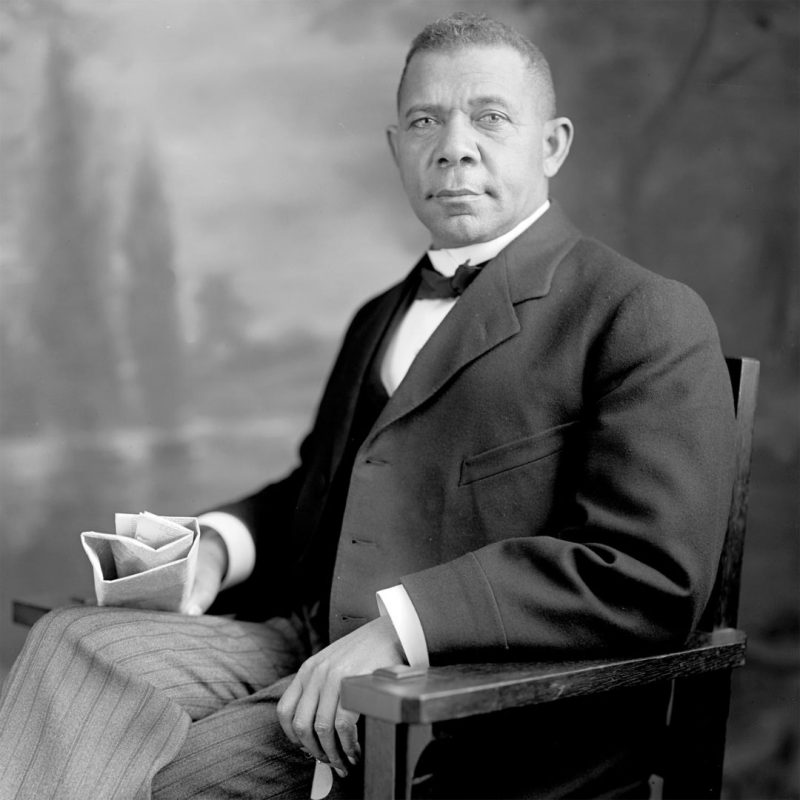
Booker Taliaferro Washington, born in approximately 1856, was enslaved in Virginia on a plantation. The young Booker yearned to learn to read and to serve. After slavery was abolished, Washington went to school and became an educator. In 1881, as the principal of Tuskegee Normal and Industrial Institute in Alabama, he transformed the campus from a rundown building to an educational institution offering thirty-eight trades. His first book, Up From Slavery, tells his story and is highly acknowledged today. Washington also authored thirteen other books.

What’s in a Name?
2014
Growing up as young Black men in Saint Paul’s Rondo neighborhood, we learned a lot from the generation of Black men who preceded us. We, like they before us, were simply known as “the Rondo boys.” Rondo was where we learned to survive, to grow and develop—it was where we learned the value of our extended family membership, where we fell in love and got our hearts broken. It was also where we learned what’s in a name.

Mary Dear
2014
It snowed that afternoon. Heavy, wet flakes pelted my coat on my walk down the sloping drive toward Cleveland Avenue. By the time I got to the iron gate it

The Drive
2014
Not wanting to alarm my husband and infant son, in case they’ve fallen back asleep, I don’t call. I don’t even text. But I do take a picture with my camera-phone, because I need proof that I’ve done it, that I’m actually here: sitting in a 2005 Toyota Matrix, outside the Saint Anthony Park Library. This is incredible.

Photograph
2014
The photo had sat on the windowsill for the last twenty years. It had borne the sun’s ultraviolet tentacles until they sucked the ink from each pore. The image was that of the first child, a promise of greatness and potential to be cultivated.

Fred H. Bigler Potato Chip Company
2013
Did you know that in early 1934 there was a small potato chip manufacturing plant in Saint Paul? My family owned and ran it. I was about four or five years old at the time. We lived at 1276 North Snelling Avenue, across from the main gate of the fairgrounds.
My Rites of Passage
2013
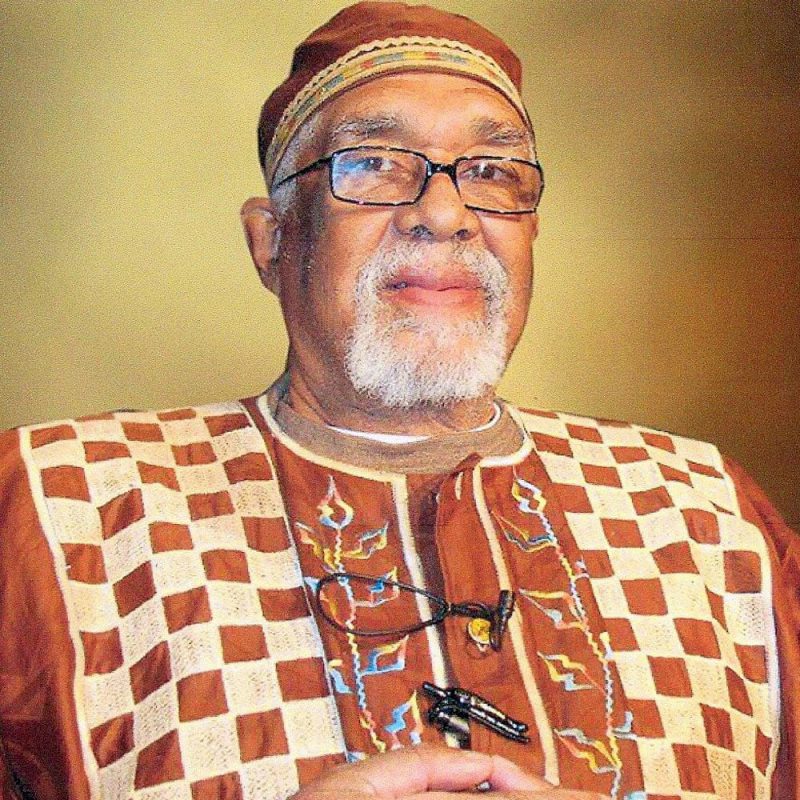
Da’ Kwamsta’ was my Rites of Passage. From the moment we first met. Da’ Kwamsta’ always told me, “Kemet, you don’t have the type of atmosphere to work for anyone but yourself!” He would explain to me over and over about the loopholes, the codes, to survive as a young Black man. He would express to me in parables that this road that I chose was a very, very lonely road. Self-love was critical to further my faith and trust in the Creator, and to my personal growth and development.