Mawk-Eyed
2013
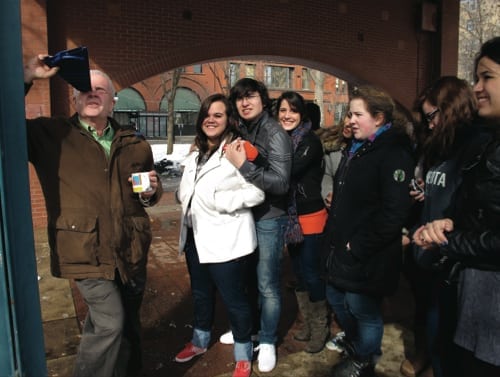
A RETIRED NEUROSURGEON, John Mawk teaches all the sciences at the international high school in Lowertown.

Poem for the Saint Paul City Council
2013
The New Year, with its dependable timing, its greeting full of bells and whistles and promises, has arrived. We stand, once more, at a new beginning.

Hats Off to Larry Ho: Saint Paul Poet and Politician
2013
Laurence “Larry Ho” Hodgson (1874–1937) was a unique combination of poet and politician, a prolific writer who produced thousands of poetic and prose works.

All Aboard!
2012
My dad James Melvin Young Sr. became a second generation “Red Cap Porter” when his uncle William A. Young retired circa 1949. Melvin was 23 years old when the Saint Paul Union Depot at 214 Fourth Street in Lowertown was the gateway to the world. Working there was the spark that ignited a love for world travel for my dad. There were approximately thirty-six Red Cap Porters employed at the Depot, all African American. Their red caps became synonymous with integrity and reliability. Their work was demanding.
The Brawl in Saint Paul
2012
During the Civil Rights movement, most youth felt that the leadership of their community was inadequate and didn’t speak to their concerns, and therefore they would “take matters into their own hands.” Little did they realize that their methods and tactics were causing more problems than they were solving, that they had the effect of polarizing the community; as a result, there were constant disputes and conflicts, stemming from those who thought they knew the most about what to do, how to do it, and who would do what about the problems that were plaguing the community.

My Dad’s Love for His Parks
2012
My dad, William LaMont Kaufman, was superintendent of Saint Paul Parks for thirty-four years. He dearly loved his job, and because he did, approximately one-third of our childhood was spent in his beloved parks. Como, our favorite, offered so much to children as well as to adults. Our dad taught us the name of each plant in the conservatory and the outside gardens, not only in English but also in Latin. Many Sunday nights were Como Nights, when we sometimes brought a picnic and raced to find Dad’s name on plaques in the zoo and conservatory. But his love for Como extended to other parks: Harriet Island, Phalen, Highland, and his smaller treasures—Hidden Falls, Rice, Irvine, Kellogg, Lilydale, Indian Mounds, Mears, and Newell, among others.
Pig’s Eye Island Adventure
2012
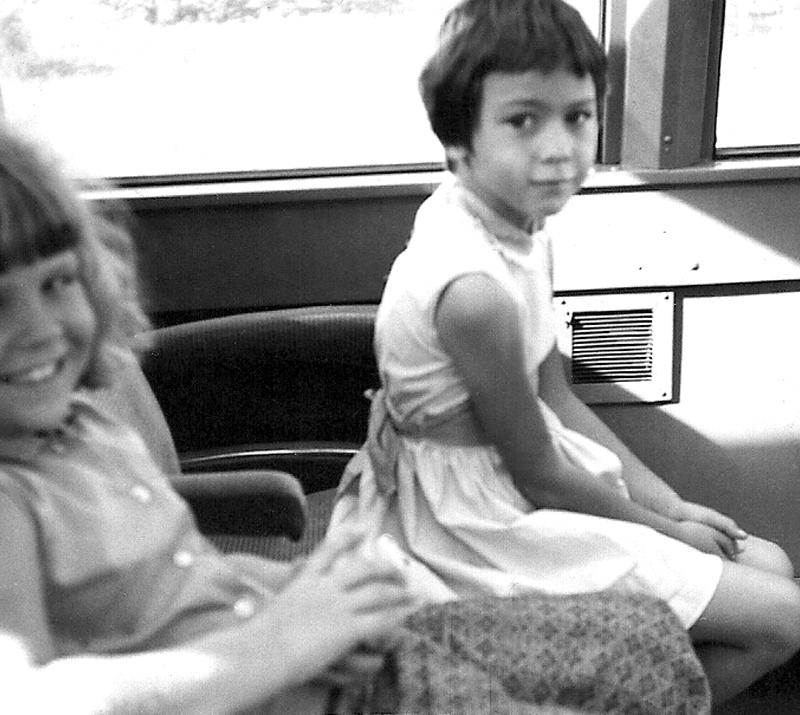
When I was growing up near Mounds Park during the fifties and sixties, fresh milk was delivered to our stoop like clockwork; however, no one came to haul away the refuse. A big, rusty metal drum in our back yard received the trash instead. When it got full, my father lit it on fire. Items you couldn’t burn—bottles, cans, old plastic toys—were driven to the Pig’s Eye Island City Dump. My brother almost always got to go with Dad to the dump, a fact that he lorded over his little sisters. But sometimes we got to go too.
Oreo Cookie
2012
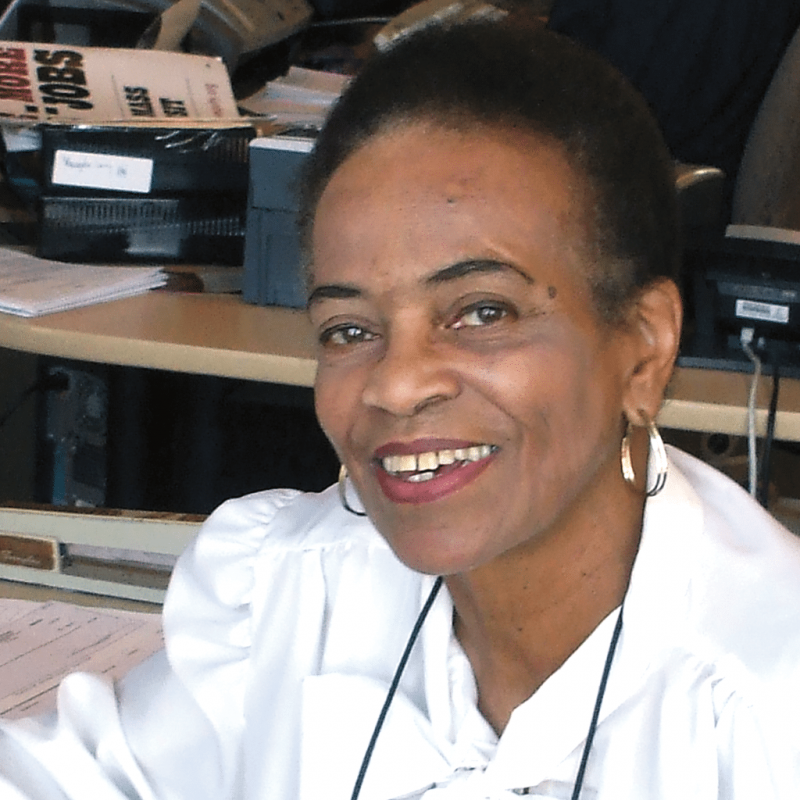
I am proud to make Saint Paul my home, as I feel the African American people of Saint Paul are strong, proud people. The first sixteen years of my life were spent in Minneapolis in a poor White neighborhood. My siblings and I were the only Black children in the schools we attended. Yes, there was a great deal of prejudice in our community. Little children don’t know hate; they have to be taught. Even though my White friends’ parents may not have liked their children being friends with us, most of them accepted it because they loved their children more than they hated us.

How Max Shulman Got to College
2012
Max Shulman (1919–1988) grew up in a Jewish community in Saint Paul’s Selby-Dale neighborhood. After graduating from Central High School, he earned a journalism degree from the University of Minnesota. His writings were invariably humorous and were published in novels and magazines. He eventually became a successful writer for theater and television. His novel Potatoes are Cheaper was a portrayal of life in the city in the late 1930s. Extract from Max Shulman, Potatoes Are Cheaper (Doubleday and Company, 1971): 1–4, 23.

Meridel LeSueur Recalls Swede Hollow Before Prohibition
2012
Patrick Coleman writes: "LeSueur was perhaps Minnesota’s most famous proletarian writer, so it is not surprising that she wrote about the humble people of Saint Paul’s Swede Hollow. The following selection was written during Prohibition, ushered in by passage of the Volstead Act in 1919." Extract from Meridel LeSueur, “Beer Town,” Life in the United States: A Collection of Narratives of Contemporary American Life from First-Hand Experience or Observation (Charles Scribner’s Sons, 1933); pages 31–33, 40.

Life in the United States and Life in My Country
2012
When I arrived at the airport my sister and her family came to the airport to pick up my family, and when I saw them, they said “Welcome to Saint Paul.” My first surprise was the snow. Before I came to the United States, I heard people talk about snowfall. I thought, if I go to America, I will eat snow and I don’t need to do anything—just put it in a cup and mix it with sugar and milk, and then we can eat it, because in my country we eat ice a lot in the summer. But in the U.S., no one eats snow.

The Mounds Theatre and Me
2012
I’ve lived in Dayton’s Bluff just a few blocks from the Mounds Theatre all my life, but not for the whole life of the Mounds Theatre. It was built in 1922, and I was born twenty-nine years later. The Mounds started out as a silent movie house. It was billed as “The Pride of Dayton’s Bluff.” It had a small stage for vaudeville acts. Local musicians played in an orchestra pit. The first “talkie” was shown at the Mounds in late March 1929—on what would eventually become my birthday. The movie was My Man, starring Fannie Brice. The Mounds was remodeled in the 1930s, receiving air conditioning, an exterior ticket booth, and a fancy marquee.